
-
Taking Control of Neighbourhood Maintenance Budgets
Rising operational costs are forcing residential community associations to rethink how they manage their shared green spaces. For years, the standard procedure for homeowners associations and community boards has been to hire large commercial landscaping firms to handle everything from mowing common areas to repairing walking paths. While this hands-off approach requires minimal effort from residents, the financial burden on the community budget is becoming unsustainable. Monthly association fees are increasing rapidly just to cover basic property upkeep, leaving little capital for community improvements or emergency repair funds. Forward-thinking neighbourhood committees are now examining alternative models, discovering that they can significantly reduce their annual expenses by purchasing their own equipment and managing the most expensive maintenance tasks internally using resident volunteers or direct-hire local staff.
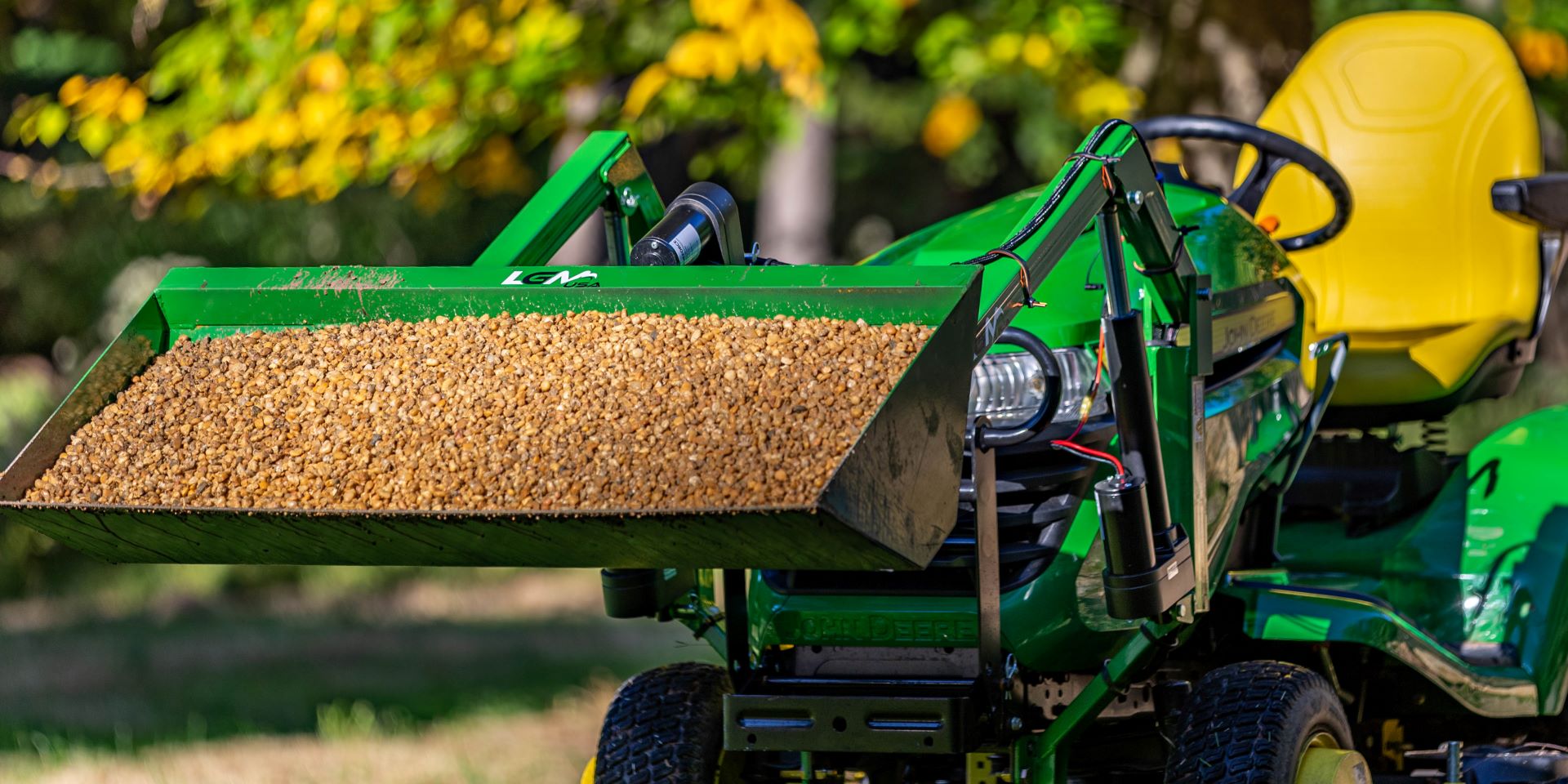
The transition from outsourced commercial contracts to internal community management requires a strategic investment in the right machinery. Purchasing dedicated industrial equipment is financially impractical for a single neighbourhood, but modifying existing residential machinery offers a highly practical alternative. Many communities already own a reliable ride-on mower for the communal lawns, viewing it strictly as a grass-cutting tool. By expanding the mechanical capabilities of that base unit, a community can handle heavy material transport and site repairs without paying commercial hourly rates. Implementing specific John deere x300 attachments allows the neighbourhood maintenance team to transport heavy bags of fertiliser, move pallets of sod, and clear debris from communal walking trails efficiently, turning a single-purpose mower into a multi-functional community workhorse.
Playground maintenance and seasonal planting are two areas where internal equipment yields massive financial savings. Every spring, community playgrounds require fresh layers of safety mulch, a task that commercial companies charge a premium to perform due to the heavy manual labour involved. When a community has the mechanical means to transport and distribute bulk mulch themselves, they only pay for the raw materials. A small utility cart or a front-mounted carrying system allows a single operator to move cubic yards of woodchips directly to the playground border, drastically reducing the physical strain on volunteers. The same principle applies to seasonal flower beds at the neighbourhood entrance; moving heavy soil, compost, and flats of plants becomes a fast, highly organized morning project rather than an expensive line item on a contractor’s invoice.
Organising a volunteer maintenance committee changes the social dynamic of the neighbourhood. When residents take direct physical responsibility for their shared spaces, vandalism and littering tend to decrease significantly. Operating modern, modified utility equipment is surprisingly intuitive, meaning that training a small group of dedicated residents to safely handle material transport is a straightforward process. Establishing a clear schedule for equipment use and basic mechanical checks ensures the machinery remains in excellent working order throughout the year. This collaborative approach builds a strong sense of pride and ownership among the residents, as they can physically see the direct results of their efforts in the pristine condition of their communal parks, entrances, and recreational areas.
The financial capital saved by bringing maintenance in-house can completely transform a community’s long-term planning. Instead of handing thousands of dollars over to a commercial landscaping firm every quarter, the association can redirect those funds into permanent upgrades. These savings can pay for new playground structures, upgraded security lighting, or the installation of community garden beds. Taking control of the maintenance process is not simply about cutting the grass; it is about reclaiming the community budget and ensuring that resident fees are actually invested back into the neighbourhood’s physical assets, creating a more beautiful, financially secure environment for every homeowner.
Conclusion
Transitioning away from expensive commercial landscaping contracts allows neighbourhood associations to protect their budgets and invest directly in their community. By upgrading existing ride-on equipment with practical material handling tools, resident committees can perform heavy maintenance tasks internally and rapidly build a more financially secure association.
Call to Action
Take control of your community association budget today by equipping your neighbourhood with the right tools to handle shared property maintenance internally.
Visit: https://lgmusa.com/
Sorry, there were no replies found.
Log in to reply.